
Introduction: The Purpose of Capacity
Throughout the previous pillars, we explored practices designed to encourage greater intentionality, reflection, and personal renewal. We focused on grounding the mind in truth, creating moments of calm through intentional breathing, and becoming more mindful about the habits and inputs that shape daily life.
But renewal is not only internal. A life of purpose also requires practical endurance.
In today’s culture, physical fitness is often presented primarily as a pursuit of appearance or performance. Yet physical endurance can also be viewed through a broader lens: the development of capacity for daily responsibilities, relationships, service, and long-term stewardship.
Every person carries responsibilities, commitments, and aspirations that require time, focus, and energy. Building physical endurance through consistent movement and healthy habits can help support the ability to navigate life’s demands with greater resilience and stability.
From this perspective, caring for the body becomes more than a routine—it becomes an intentional act of stewardship. By strengthening physical endurance, we prepare ourselves to engage more fully and sustainably in the work and responsibilities entrusted to us.
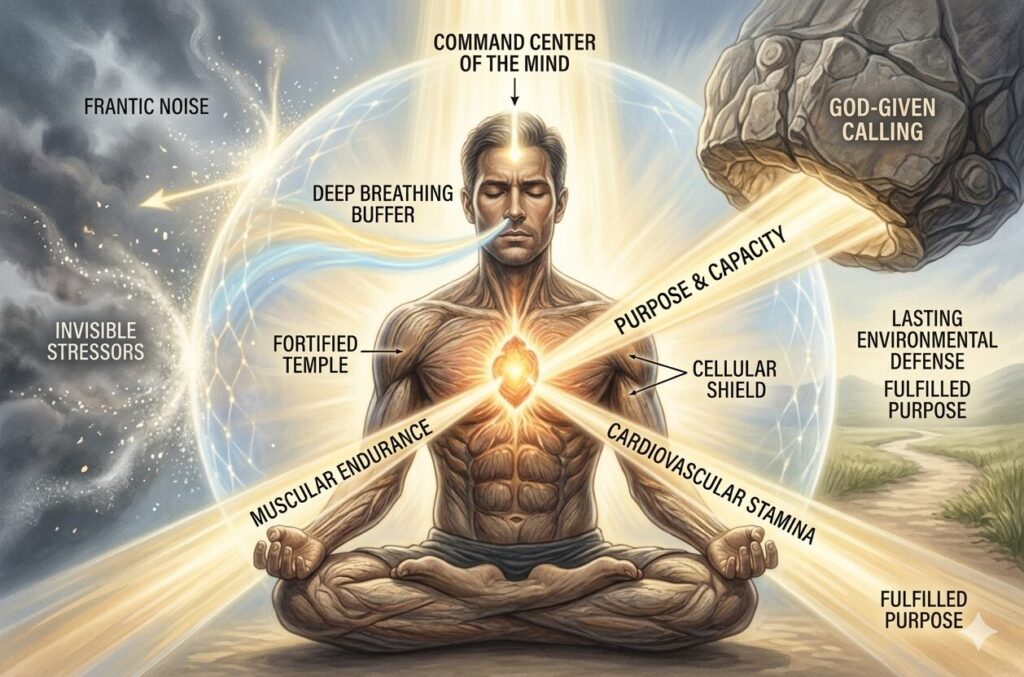
Section 1: The Practice of Physical Stewardship
Building endurance begins with a shift in perspective. Movement is not merely about appearance; it can become a disciplined practice of consistency, resilience, and self-care.
Activities such as walking, resistance training, stretching, cycling, or other forms of exercise can help many people feel more energized and physically capable in daily life. Over time, consistent movement may support overall fitness, stamina, and a greater sense of well-being.
Just as importantly, sustainable physical habits are often strengthened by supportive lifestyle choices—including rest, hydration, balanced nutrition, and stress management.
Some individuals also choose to include nutrients such as zinc, magnesium, or vitamin D3 as part of their overall wellness routines. Nutritional needs vary from person to person, and individuals should consult a qualified healthcare professional regarding supplementation and personal health decisions.
The goal is not perfection or extreme performance. The goal is creating a sustainable foundation that supports long-term physical stewardship.
Section 2: Supporting Clarity and Daily Resilience
The relationship between physical well-being and mental focus is widely recognized in everyday life. When the body feels depleted or consistently overextended, it can become more difficult to maintain focus, patience, and emotional balance throughout the day.
Conversely, many people find that regular movement, sufficient rest, and intentional routines help support greater clarity, steadiness, and resilience in their daily responsibilities.
This connection between physical care and inner well-being reflects the broader principle of stewardship: when we care for the body responsibly, we may be better equipped to remain present, attentive, and grounded in the values that guide our lives.
Physical endurance does not eliminate life’s challenges, but it can help create a stronger foundation from which to navigate them.
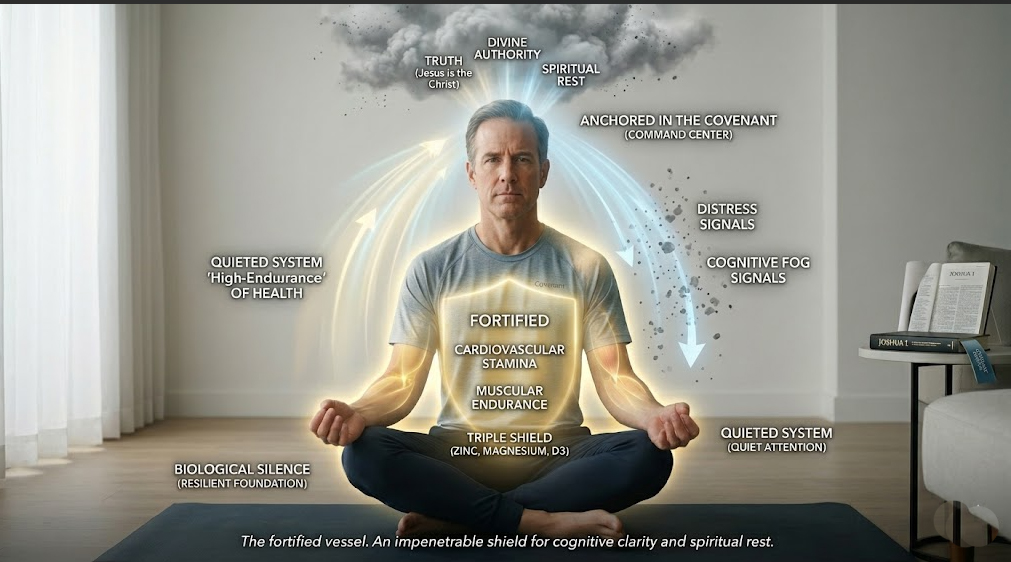
Conclusion: The Fortified Temple
The journey toward vitality is not about achieving perfection. It is about cultivating habits that support a more grounded, intentional, and sustainable life.
By caring for the mind, practicing moments of peace, making thoughtful lifestyle choices, and developing physical endurance, we strengthen our ability to serve others and carry out our responsibilities with consistency and purpose.
Physical stewardship can be viewed as an expression of gratitude for the life and abilities we have been given. Through small, steady choices, we build a foundation that supports both personal well-being and meaningful living.
Your Next Step
Cultivate External Peace: Now that the internal foundation has been strengthened, explore how these practices can influence relationships, communication, and daily interactions in Module 5: Wisdom (Relational Peace).
Disclaimer
This content is intended for informational and inspirational purposes only and should not be considered medical advice. Statements in this article have not been evaluated by the Food and Drug Administration. Always consult a qualified healthcare professional before making significant changes to your diet, exercise routine, or supplement use.
Leave a Reply